Thinking about a move to a small waterfront city with real character and easy access to the outdoors? If you want historic charm, a walkable downtown, and the Pamlico River at your doorstep, Washington in ZIP 27889 might be on your shortlist. You also want to understand schools, healthcare, flood risk, and how daily life really feels. This guide gives you a clear, local view of neighborhoods, lifestyle, and practical details so you can decide with confidence. Let’s dive in.
Washington, NC at a glance
Washington sits on the northern bank of the Pamlico River as the county seat of Beaufort County. Locals often call it “Little Washington” or “Original Washington.” The scale is small city, with a population around 9,700. You feel a tight-knit, small-town rhythm rather than a sprawling suburb.
Downtown is compact and historic, with 18th and 19th-century buildings, brick façades, galleries, and restaurants. The riverfront is the heartbeat of civic life. You’ll find a boardwalk feel along the waterfront, marinas, and spots for coffee or a meal with a view. Housing options range from Victorian and Craftsman homes near downtown to waterfront properties and newer subdivisions a short drive away.
Neighborhoods and housing
Washington’s neighborhoods each carry a distinct feel. Here is what to expect as you explore.
Historic District
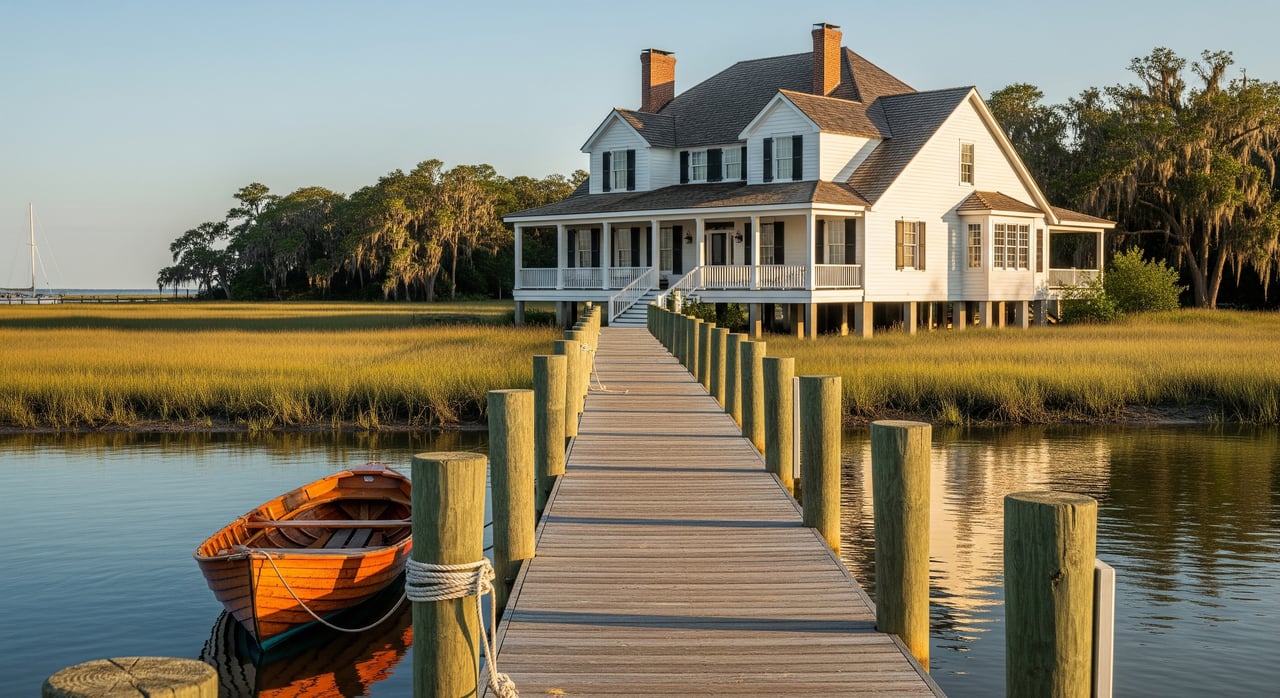
If you love architecture and convenience, the Historic District puts you close to downtown shops, galleries, and the riverfront. Homes here are largely 19th and early 20th century styles, including Victorian, Greek Revival, and Craftsman on narrower lots. You trade larger yards for walkability and period details.
There are historic-preservation rules in parts of the district. Exterior changes may require review or permits. Before you plan renovations, check current guidelines with the city’s planning and historic-preservation office so you understand timelines and scope.
Moss Landing
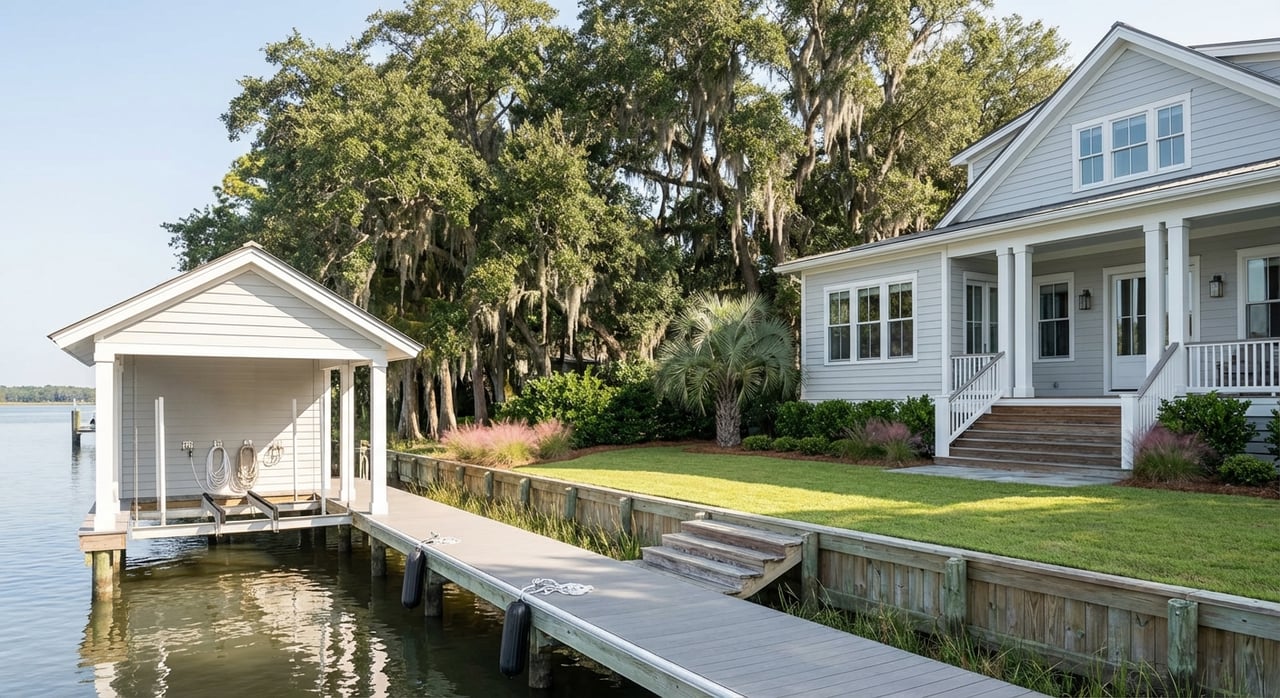
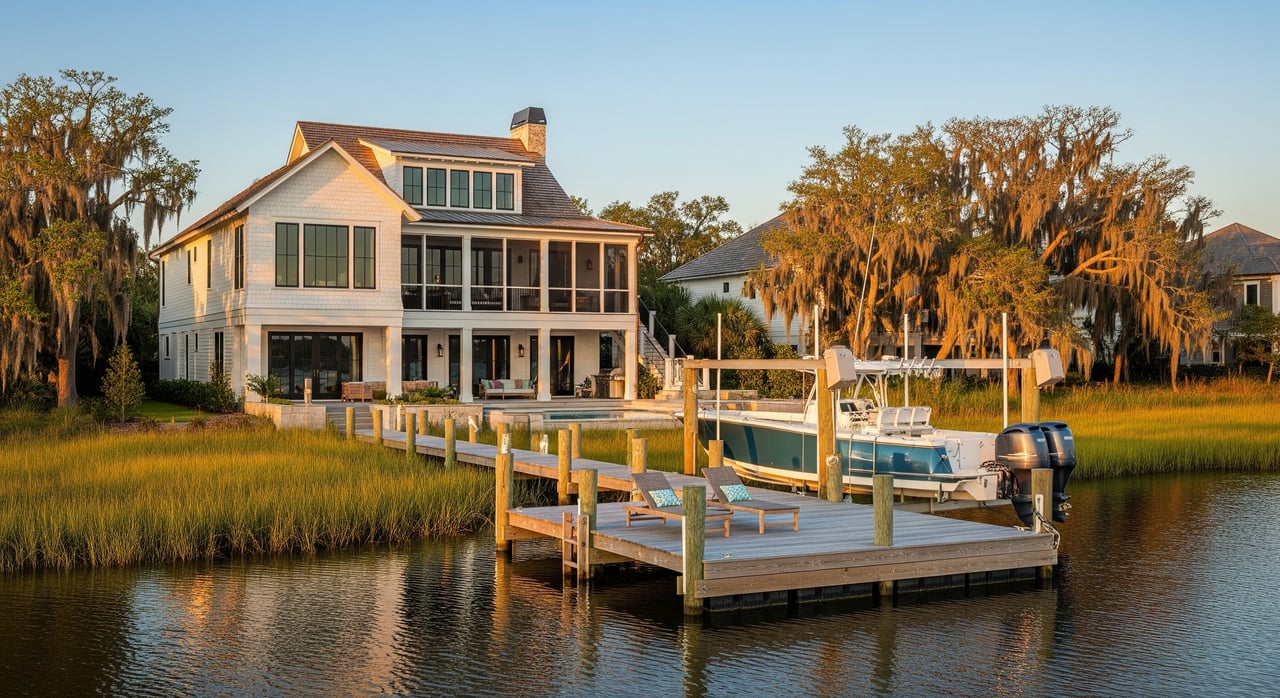
Moss Landing is known for its waterfront orientation and a lifestyle shaped by the river. You’ll see a mix of construction ages, including newer homes and infill, with many properties designed to maximize water views and access. Pricing often reflects proximity to the river. If you value boating, fishing, and sunsets over the Pamlico, this area often tops the list.
Smallwood
Smallwood offers a quieter residential setting with a more traditional neighborhood feel than the core Historic District. Streets and yards tend to be more suburban in layout, and you may find a mix of older and newer single-family homes. Some pockets are near the water, but the overall pace is more about neighborhood living and everyday convenience.
Other options in 27889
Outside the downtown core, you’ll find newer subdivisions and suburban-style streets with larger lots and modern homes. There are also smaller multifamily and rental options near downtown if you prefer lower-maintenance living. Overall affordability is attractive compared with larger North Carolina markets, though waterfront and historic properties usually command a premium.
Daily life on the Pamlico
Washington’s lifestyle centers on the river and a compact downtown that’s easy to navigate.
Waterfront and walkability
You can stroll the riverfront, watch boats come and go, and catch regular community events along the water. Fishing, kayaking, and birding are common weekend rituals. On a typical day, it’s an easy walk from the Historic District to coffee, lunch, or a gallery visit. Many errands are still a short drive, but the downtown core supports a nice mix of daily conveniences.
Dining, shopping, and services
Downtown is home to independent restaurants, cafes, galleries, antique shops, and service businesses. Larger grocery stores and big-box shopping sit along the main commercial corridors outside the core. Healthcare needs are served locally by ECU Health Beaufort Hospital, with specialty care often referred to larger centers in the region.
Arts and events
A historic theater, small galleries, and seasonal markets contribute to a modest but active arts scene. Festivals and community events tend to cluster downtown and along the river. You get a steady calendar of happenings without the congestion of a major tourist hub.
Getting around and commutes
Most residents drive for daily errands. Downtown offers on-street parking and small public lots. Washington serves as a hub for Beaufort County rather than a commuter suburb to a larger metro. Typical drives to mid-sized cities like Greenville or New Bern vary by route and traffic. Expect a range of roughly 30 to 75 minutes depending on your destination.
Local fixed-route public transit is limited. If you rely on transit or intercity rail, you will want to check regional providers for current options. If you work from home or have a hybrid schedule, the small-city convenience and river views can make your day-to-day feel simple and refreshing.
Schools and learning
Public schools are operated by Beaufort County Schools. You’ll want to verify current school boundary maps and any program details directly with the district. Regional higher education access is solid, with Beaufort County Community College serving local learners and East Carolina University in Greenville for broader programs. Always confirm current offerings and locations before making decisions.
Healthcare and essential services
For emergency and inpatient care, ECU Health Beaufort Hospital is in Washington. For specialty care, you may be referred to larger facilities in Greenville or New Bern. Routine services are available in town, while elective or highly specialized procedures might involve a short regional trip.
Weather, water, and risk
Washington has a humid subtropical climate with hot summers and mild winters. River and coastal proximity add lifestyle perks, but they also bring weather considerations. Parts of the city, especially low-lying waterfront areas, can face flood risk. Before you buy, review the FEMA Flood Map Service Center, confirm local elevation and foundation types, and ask your lender and insurer about flood insurance requirements.
Hurricane season planning is part of life here. Stay aware of local guidance and prepare a household plan using hurricane preparedness guidance from the National Weather Service. If you are considering a waterfront home, include flood and wind coverage, dock upkeep, and potential seawall maintenance in your budgeting.
Costs, taxes, and utilities
Overall cost of living is generally lower than major metro areas in North Carolina, but the home you choose will drive your costs. Waterfront and historic properties usually cost more to purchase and insure. Property taxes are assessed by the county, and the City of Washington has municipal taxes as well. For current rates and assessments, start with the Beaufort County Government website and the tax office resources.
Utilities vary by location. Inside the city limits, you will typically have municipal services such as water and sewer. In rural or outlying areas, septic systems are common. Before you make an offer, confirm utility providers, average bills, and any homeowners association details that could affect your monthly budget.
Buying smart in the Historic District
If you plan to restore or update a historic home, make sure your timeline and design plans match local preservation guidelines. Some exterior changes in designated areas require approvals. Speak with the city’s planning and historic-preservation staff early so you understand what is allowed and how to navigate permits. A clear path up front helps you avoid surprises during due diligence.
Who thrives in Washington
You might feel right at home in Washington if you value:
- A walkable core with a relaxed pace
- River access for boating, fishing, and evenings on the water
- Historic architecture and tree-lined streets
- A small-city setting with straightforward daily routines
If you want a huge retail scene, frequent late-night entertainment, or extensive public transit, you may find yourself driving to larger nearby cities for those needs. Many residents enjoy the balance: a calm home base with easy reach to regional amenities.
How to explore neighborhoods
Plan a weekend to sample each area’s vibe:
- Historic District: Park once, walk the core, and check out the riverfront at sunset. Notice the mix of architectural styles and how close you are to everyday errands.
- Moss Landing: Drive the waterfront streets and note sightlines, wind exposure, and water access options. If you boat, look into marina and ramp logistics.
- Smallwood: Tour a few streets at different times of day. Observe traffic patterns, lot sizes, and the overall neighborhood rhythm.
- Outlying subdivisions: Map commute routes to your likely destinations and confirm travel times during peak hours.
As you tour, factor in flood zones, insurance estimates, and utility setups. For waterfront homes, gather quotes for flood and wind coverage and ask about dock and bulkhead maintenance.
Next steps with a local guide
Choosing the right block in the right neighborhood is where local insight matters most. You want details on renovation rules, flood considerations, and pricing trends by micro-area. That is the type of guidance a boutique, fiduciary-focused brokerage can provide.
If you are considering a move to Washington or a property search in ZIP 27889, connect with John R. Jesso for a neighborhood-level plan and property shortlist tailored to your goals. Whether you are eyeing a historic downtown home, a Moss Landing view, or a quiet street in Smallwood, you will get clear advice and premium presentation from first tour to closing.
FAQs
Is downtown Washington, NC walkable year-round?
- Yes, the downtown and riverfront are compact and walkable with shops, galleries, restaurants, and seasonal events. Evening and weekend activity varies by season and event schedule.
What should I know about flood risk in 27889?
- Start with the FEMA Flood Map Service Center, confirm a property’s elevation and foundation, and request flood insurance quotes early in your due diligence.
How long are commutes from Washington to nearby cities?
- Washington is a regional hub rather than a commuter suburb. Depending on destination and traffic, plan for about 30 to 75 minutes to nearby mid-sized cities.
Are there renovation restrictions in the Historic District?
- Parts of downtown have preservation rules that can affect exterior changes. Contact the city’s planning and historic-preservation office for current guidelines before you design or demo.
What are the real costs of owning waterfront property?
- Beyond purchase price, plan for flood and wind insurance, dock or lift upkeep, and potential seawall or bulkhead maintenance. Get quotes from insurers and contractors.
Where can I find local school information for Washington?
- Review school listings, boundaries, and updates directly with Beaufort County Schools. Always verify current details before you decide.