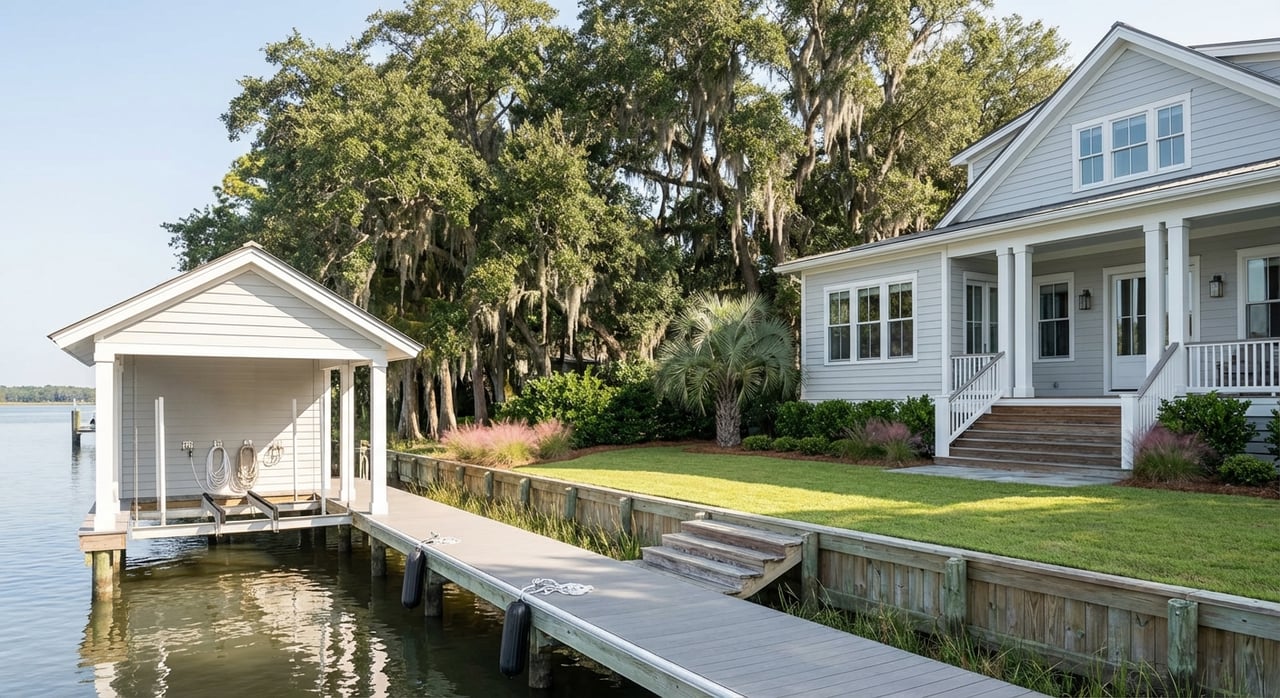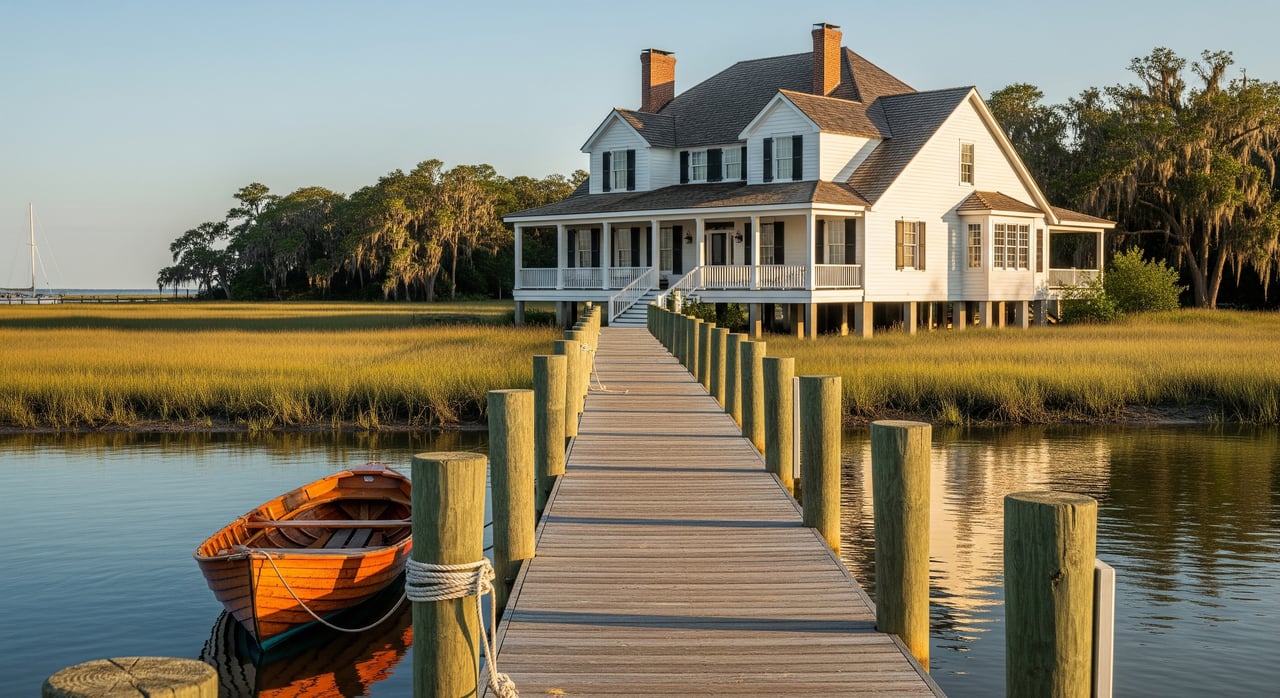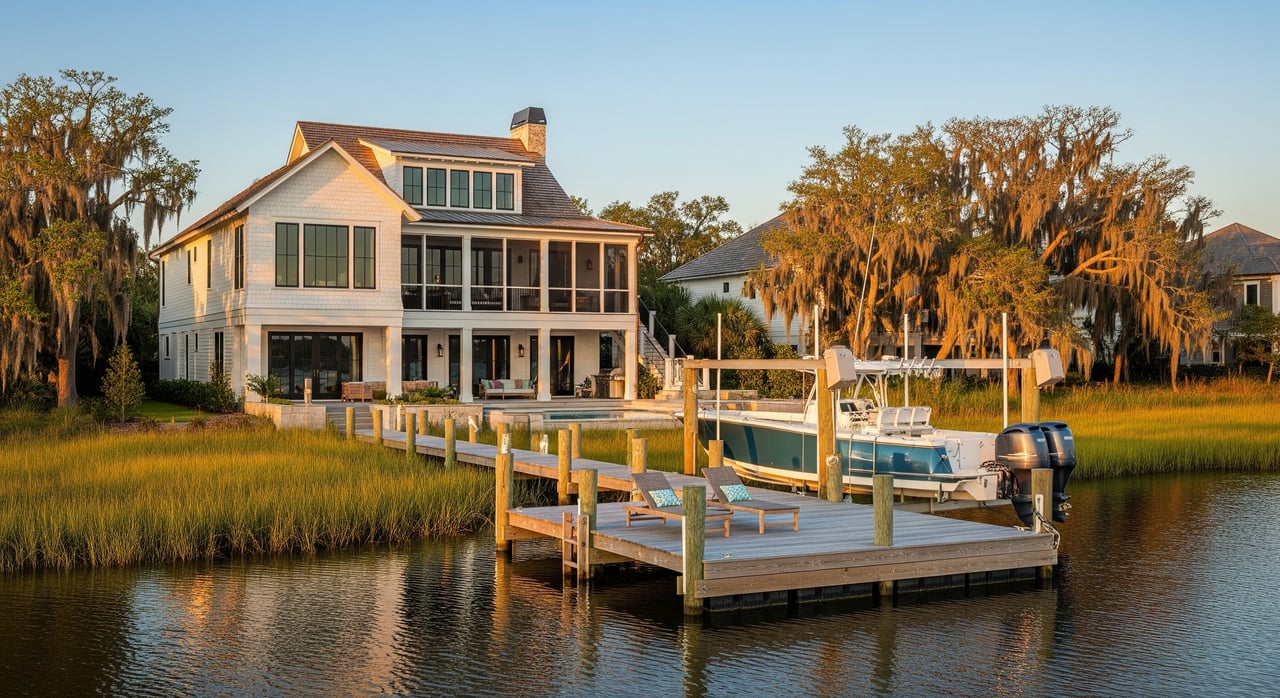
Imagine stepping from your back porch to your boat, coffee in hand, with calm water ready for a morning cruise. If you are considering a home in Cypress Landing in the 27817 area, you likely want that easy, connected waterfront lifestyle. The right property can give you marina access, golf, and a welcoming community, but the best fit also depends on permits, HOA rules, and long‑term upkeep. This guide walks you through the amenities that shape daily life and the key checks to make before you buy, so you can move forward with clarity. Let’s dive in.
Amenities that define Cypress Landing
Cypress Landing appeals to lifestyle and second‑home buyers who value a complete community. You typically find a protected marina with boat slips, on‑site golf, a clubhouse, fitness and pool facilities, and courts for tennis or pickleball. Trails and greenways connect neighborhoods to the water, while social programming creates an easy way to meet neighbors. For many buyers, these features support both daily enjoyment and strong resale appeal.
Marina and boating
A resident-focused marina is often the centerpiece. Ask how slips are managed, including deeded vs. assigned vs. rental models, along with guest slip policies and any waitlist. Confirm channel depth, dredging schedules, and whether the slips are in protected water that reduces wake and storm exposure. If there is a boat ramp or storage yard, verify access rules and costs.
Golf, fitness, and social life
On‑site golf facilities typically include practice areas and a pro shop, paired with dining or clubhouse social spaces. Organized leagues, clinics, and member events help you plug in quickly. A fitness center and pools make it easy to exercise without leaving the neighborhood. Courts for tennis or pickleball add variety for active days.
Trails and greenways
Walkability inside the community is a major draw. Trails and greenways often link homes to the waterfront, clubhouse, and recreational areas. If you plan to bike or run, check the length and connectivity of paths. Ask about any planned extensions.
Services for part‑time owners
If this is a second home, look for community resources that keep things simple. Many communities offer property management referrals, seasonal maintenance options, and an on‑site sales or realty office. These conveniences reduce the friction of being away for weeks at a time.
Match amenities to your life
Start by picturing your typical week. Are you on the water most mornings, or will the clubhouse and social calendar matter more? Do you prefer lock‑and‑leave simplicity, or are you ready for active shoreline upkeep? The clearer your routine, the easier it is to choose the right lot, slip, and home features.
- Boater’s checklist: protected slips, dredged channels, guest slips, and storage.
- Social and recreation: golf leagues, clubs, and events that fit your interests.
- Low‑maintenance living: bulkheads, boardwalks, and professional maintenance options.
- Resale and value: active HOA, well‑maintained amenities, and strong community programming.
What to verify before you buy
Waterfront homes deserve a careful, document‑first approach. Request key records early so you can make smart comparisons and avoid surprises later. This helps you understand condition, costs, and what you can or cannot change.
Request these documents early:
- Seller’s property disclosure, including shoreline condition and any history of flooding.
- Dock and bulkhead permits, septic records, and service history.
- Recent survey showing property lines to the high‑water mark and any riparian easements.
- Elevation certificate if the property is in or near FEMA flood zones.
- HOA covenants, bylaws, rules, budget, reserve study, and recent board meeting minutes.
- Marina slip agreements, rules, and waitlist policy.
Inspections to schedule
- General structural and insect inspection with a focus on waterfront exposure, including foundation and crawlspaces.
- Marine and dock inspection by a qualified marine contractor to review pilings, decking, hardware, utilities to the dock, and permit compliance.
- Bulkhead or seawall assessment for movement, rot, or past repairs, plus cost and lifespan estimates.
- Shoreline erosion and vegetative buffer review, including slope, scouring, and any living shoreline or riprap.
- Septic inspection where applicable, including capacity, age, and permit history.
- Soil, percolation, or groundwater checks if you plan future additions or drainage changes.
Flood and insurance check
- Identify the FEMA flood zone and request a current elevation certificate.
- Ask about past flood claims on the property and any HOA flood coverage for common areas.
- Obtain sample flood insurance quotes from both NFIP and private carriers based on actual elevation and structure details.
Utilities and services
- Confirm whether the home is on public water and sewer or well and septic.
- Check internet service quality, which often matters for remote work and second‑home monitoring.
- Clarify trash collection, seasonal yard debris rules, and any special pickup schedules.
- Note emergency services response times and the nearest hospital or urgent care.
HOA and marina rules that matter
Your HOA documents tell you how the community operates and what it costs to maintain amenities. Review the dues, budget, reserve funding, and the history of special assessments. Look at the architectural review process, including rules for exterior changes, docks, and boathouses. If you plan to rent your home, verify short‑term rental rules and occupancy limits before you buy.
Marina governance deserves the same focus. Learn whether slips are deeded, separately owned, or leased or assigned by the HOA or marina association. Ask about transfer rules, waitlist procedures, and who pays for maintenance, piling replacement, dredging, and utilities. Review mooring and speed restrictions, guest slips, and any liability waivers.
Permits and environmental rules in North Carolina
Coastal and estuarine projects in North Carolina are regulated at the state and local level. Docks, bulkheads, and other shoreline structures usually require permits through the North Carolina Department of Environmental Quality’s Division of Coastal Management and local offices. In some areas, the Coastal Area Management Act applies to buffer zones, wetlands, and shore work. If the property lies in a special flood hazard area, new work may need to meet current building codes and floodplain standards.
Navigation and neighborhood factors
Boat access matters as much as the dock. Ask how far it is to the main river or channel, whether there are fixed bridges or depth restrictions, and if there are any marked hazards. Observe wake patterns and boat traffic that could affect shoreline erosion and noise. Review view corridor protections, nearby zoning, and developer plans that might impact water views in the future.
Local context around 27817
Cypress Landing sits within Beaufort County’s 27817 area, with easy access to nearby Washington for dining, services, and waterfront activities. Greenville offers major medical and university‑adjacent amenities, while towns like New Bern and Beaufort expand cultural options and airports. For second‑home owners, proximity to hospitals, urgent care, and year‑round services can be a key part of the decision. Consider how you will handle winterization, storm preparation, and emergency access when you are away.
Ownership tips for second‑home buyers
- Consider professional property management for routine checks, maintenance, and winterization.
- Budget for shoreline care and lifecycle replacement of docks and bulkheads.
- If rental income is a goal, confirm HOA and local short‑term rental rules early.
- Prioritize an elevation certificate and early flood insurance quotes, since elevation often drives long‑term cost.
Ready to explore with a local guide
Waterfront living in Cypress Landing can be both relaxing and rewarding when the amenities, rules, and property details fit your goals. A focused plan helps you choose with confidence and avoid costly surprises. If you would like a local, fiduciary partner to evaluate HOA documents, permits, and property conditions, connect with John R. Jesso for tailored guidance and next steps.
FAQs
What amenities matter most for boaters in Cypress Landing?
- Look for protected slips, dredged channels, guest slip access, clear waitlist policies, and defined maintenance responsibilities.
How do marina slip policies affect ownership costs?
- Whether a slip is deeded, assigned, or leased influences transfer rules, fees, and who pays for maintenance and dredging.
What should I ask the HOA before buying a waterfront home in 27817?
- Request current dues and budget, reserve study, board minutes, architectural and dock rules, rental policies, and any pending assessments.
How do flood zones impact insurance and renovations?
- Your FEMA flood zone and elevation certificate affect premiums and may trigger code and floodplain requirements for new work.
Which inspections are essential for a waterfront home in Cypress Landing?
- Schedule general, marine and dock, bulkhead or seawall, shoreline erosion, septic, and any needed soil or structural evaluations.