Trying to choose between Washington’s Historic District, Moss Landing, or Smallwood, but not sure which one truly fits your life? You are not alone. Many buyers come to 27889 drawn to the river, the charm, and the value, then face a very local choice about walkability, water access, lot size, and flood due diligence. In this guide, you’ll get a clear, side‑by‑side view of Washington’s core neighborhoods, practical tradeoffs, and the key checks you should run before you make an offer. Let’s dive in.
How to compare 27889 neighborhoods
Before you fall in love with a porch or a river view, map your daily life. Think about where you want to spend time, how you like to get around, and what you need from your home.
- If you want walkable downtown living with restaurants, galleries, and the waterfront at your feet, focus on the Historic District and the downtown core.
- If you want river views, boating, and a short walk to Main Street, put Moss Landing at the top of your list.
- If you want a larger yard, a quieter residential setting, and a lower entry price than prime waterfront, look at Smallwood and nearby subdivisions.
- If you want more land or deeded water access without being right on the river, explore Tranters Run and similar suburban pockets.
Washington at a glance
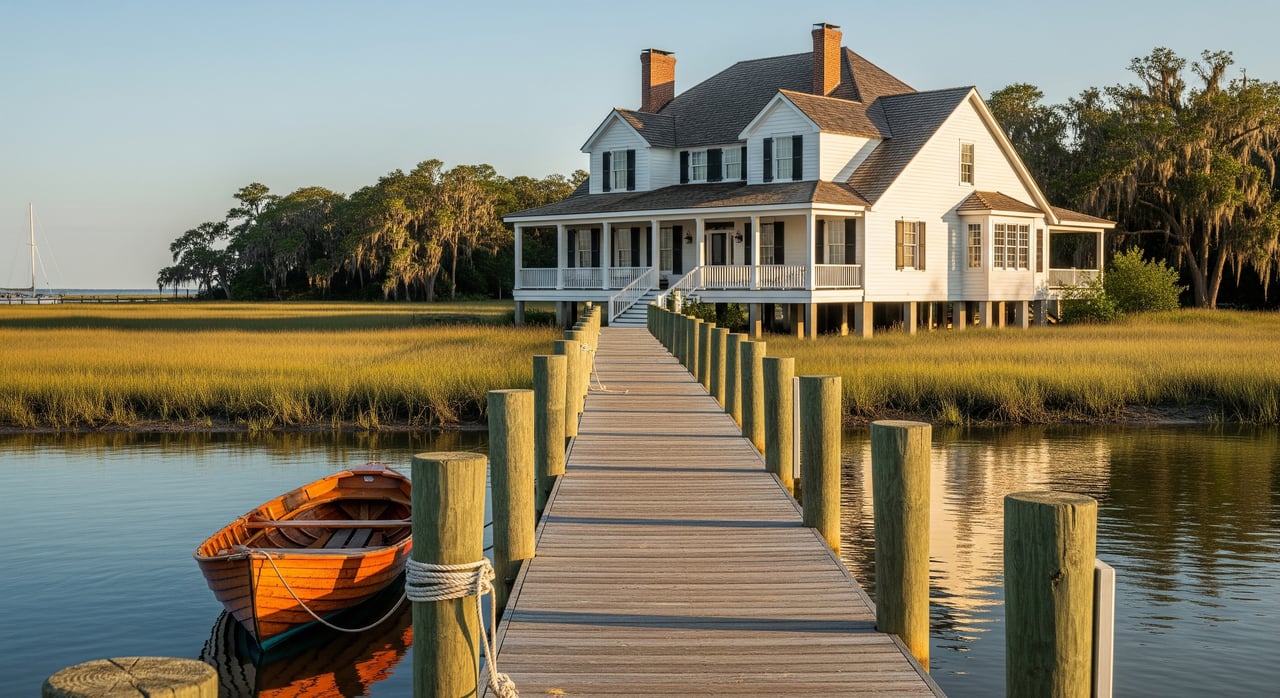
Washington, known fondly as “Little Washington,” is a small waterfront town with a preserved historic downtown and active riverside amenities. You will find boardwalks, riverfront parks, galleries, the NC Estuarium, and a relaxed coastal rhythm that draws both primary residents and second‑home buyers. For a feel of the lifestyle, get a sense of the town’s highlights in this overview of things to do in Washington.
Most of the town is car oriented, but downtown is the most walkable pocket thanks to the compact street grid, waterfront access, and local businesses. If you plan to make walking part of your daily routine, weigh downtown proximity and parking needs alongside lot size and price.
Neighborhood deep dives
Historic District
The Washington Historic District covers the original town plat along the downtown and waterfront core. It is a National Register historic district with a dense mix of late 19th and early 20th century buildings that create Washington’s signature streetscapes.
- Housing and lots: You will see historic single‑family homes in Victorian, Colonial Revival, and Queen Anne styles, plus some small infill homes and condo or townhome conversions near Main and Market Streets. Lots are smaller, with porches, narrow setbacks, and mature street trees that reinforce the walkable feel.
- Lifestyle fit: This is your best match if you want to walk to dining, galleries, events, and waterfront boardwalks. Downtown Washington offers the most immediate access to those amenities, as highlighted by Southern Living’s overview.
- Price and inventory: Inventory is diverse. Small infill or modest townhomes can trade at lower price points than renovated historic homes or properties near the river. Always use fresh local comps for realistic pricing.
- Key tradeoffs: Plan for renovation and maintenance on older homes, and confirm any historic‑district review requirements if you intend to alter exteriors. Start with the district’s background, then check local guidelines with the city before you finalize plans.
Flood note: Downtown and river‑adjacent blocks can be low lying. Washington and Beaufort County have documented flood exposure from coastal storms and river flooding. A recent analysis of Hurricane Florence provides useful context on local impacts and mapped exposure in the region. Review the peer‑reviewed Beaufort County flood case study and always run the parcel in FEMA’s Flood Map Service Center before you write an offer.
Moss Landing
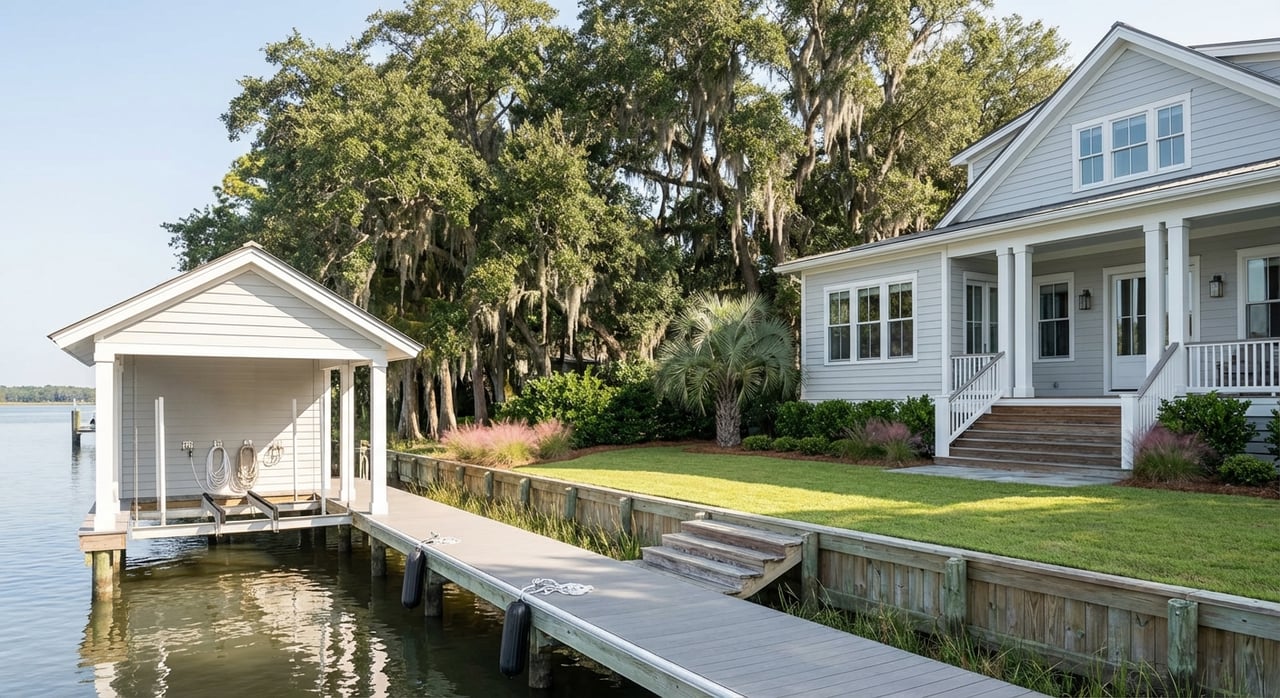
Moss Landing is a newer, river‑oriented neighborhood right next to downtown. It blends custom single‑family homes and multi‑unit residences, many designed to maximize Pamlico River views. The neighborhood is marketed for elevated waterfront lots, porches, and a private marina with optional boat slips, all within a short walk of Main Street.
- Housing and lots: Expect recent construction, custom designs, and some condo or townhome options with river views. Many sites are elevated to address flood considerations.
- Lifestyle fit: This pocket suits you if you value boating, river scenery, and immediate downtown access without a long drive.
- Price and inventory: Moss Landing carries a waterfront premium, especially for true riverfront or marina‑front homes. Expect higher price‑per‑square‑foot than inland neighborhoods and review current comps to set expectations.
- Key tradeoffs: Plan for HOA and marina fees, confirm boat‑slip availability early, and run a full flood and insurance check for every address. Use FEMA’s flood maps for zone confirmation and ask for the elevation certificate when available.
Smallwood
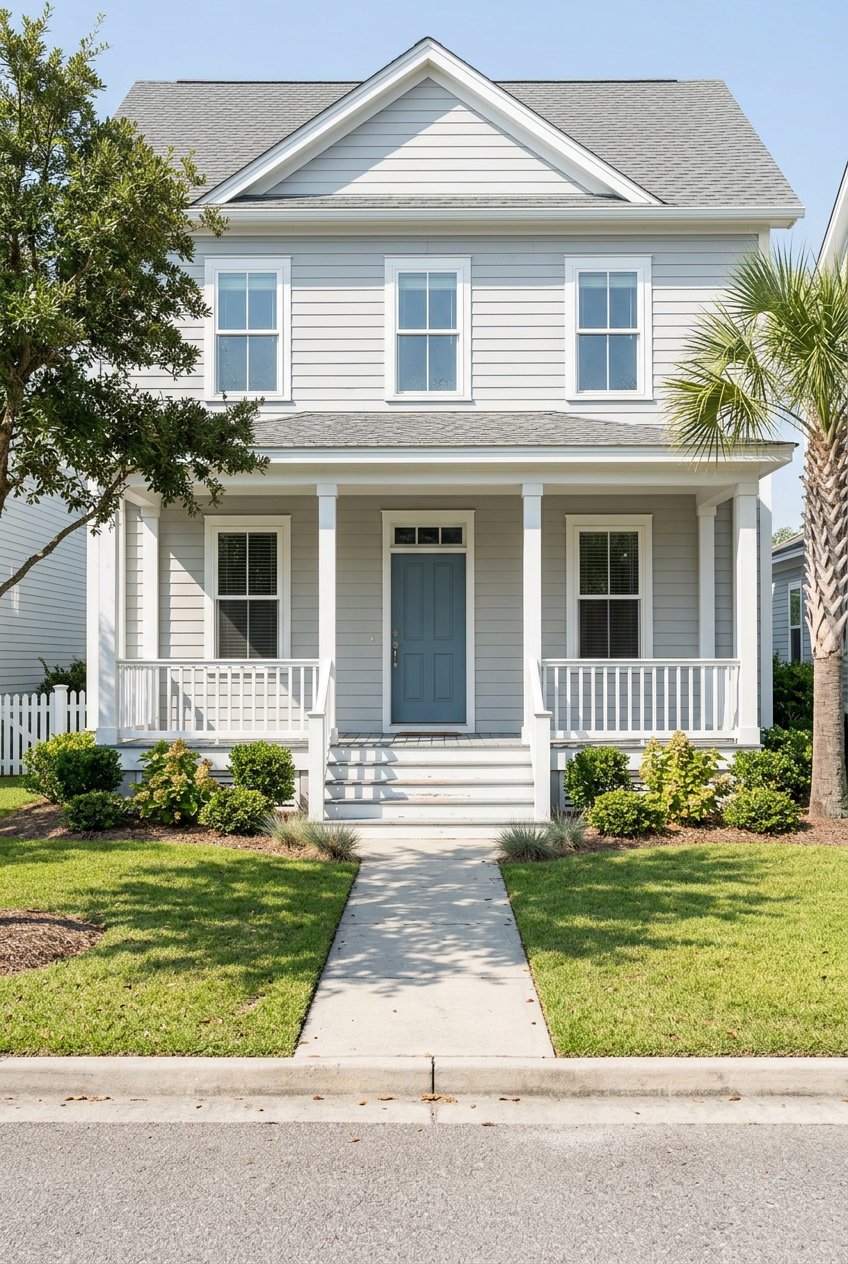
Smallwood sits a short drive from downtown and reads more suburban in feel. You will find ranch and traditional single‑family homes on lots that often span a few tenths of an acre, with yards and mature landscaping.
- Housing and lots: Detached single‑family homes, typically with city water and sewer. The streets are quieter than the downtown core and prioritize driveways and yard space over walkability.
- Lifestyle fit: Smallwood works well if you want near‑town convenience, more private outdoor space, and a lower entry point than prime waterfront.
- Price and inventory: Price points tend to sit below Moss Landing and other high‑end riverfront properties. Condition and age drive value, so run current comps before setting an offer strategy.
- Key tradeoffs: Fewer river amenities and less walkability. Confirm lot drainage and flood info for any lower‑lying parcels, and verify utilities for the specific address.
Nearby suburban pockets: Tranters Run, Pamlico Plantation, River Bend, Somerset, Northgate
Around Washington you will find several subdivisions that offer larger lots, HOA‑managed amenities, and varying degrees of water access. Inventory can be limited, so timing matters.
- Tranters Run: Planned subdivision a short drive west of downtown, often noted for larger lots and community water access or ramps. Some parcels and streets offer deeded water access. Annual HOA dues are typically modest. Confirm whether an individual lot is on community sewer or a private septic system.
- Pamlico Plantation and river‑edge communities: These neighborhoods may include walking paths along the marsh, pool or clubhouse amenities, and some condo or townhome choices. Many provide shared docks or community water access without downtown parking constraints.
- Somerset, Northgate, and similar pockets: Traditional suburban settings with a mix of home sizes. Prices often fall between Smallwood and high‑end waterfront, but this varies with age, condition, and proximity to water.
Across these neighborhoods, always verify utilities, HOA rules, and any neighborhood‑specific water access details before you rely on them for your lifestyle plans.
Flood, utilities, and other due diligence
Washington’s location on the Pamlico River is part of the draw, and it also means you should build flood and insurance checks into your process.
- Flood risk and insurance: Start every riverfront or low‑lying property search with FEMA’s Flood Map Service Center. Request an elevation certificate if the seller has one, then price out flood insurance before you set your affordability line. For regional context on storm and flood exposure, review the Beaufort County case study of Hurricane Florence impacts. It is also smart to scan local emergency guidance on Ready Beaufort County.
- Historic‑district rules: If you are considering a downtown historic home, check whether exterior work requires review. The National Register district summary is a helpful starting point. Then consult city planning for current design guidelines and approval steps.
- Utilities and septic vs. sewer: Utility type affects both renovation costs and financing. Downtown and in‑town neighborhoods often have city water and sewer, while some outlying subdivisions and creekfront lots use private septic. Confirm at the parcel level before you make improvements part of your plan.
- HOA and marina documents: In Moss Landing and amenity‑rich subdivisions, request covenants, budgets, reserve studies, and any marina or slip‑purchase rules early. These documents help you understand total cost of ownership.
- Schools and attendance: Many 27889 addresses are associated with Eastern Elementary, P.S. Jones Middle, and Washington High, but assignments can change. Use Beaufort County Schools’ tools or contact the district directly to confirm the address for your home search. You can start with Eastern Elementary’s official page to access district resources.
- Walkability vs. driving: Most neighborhoods outside downtown are car dependent. The Historic District is the exception, with the closest access to restaurants, galleries, the estuarium, and riverfront parks, as noted in Southern Living’s feature on Washington.
Quick neighborhood match checklist
Use this short list to narrow your options before you tour.
- Historic District: Best for walkable downtown life and cultural amenities. Expect smaller lots and on‑street parking needs. Check historic rules and flood zones.
- Moss Landing: Best for river views, boating, and a short walk to Main Street. Expect premium pricing, HOA or marina fees, and flood‑insurance considerations.
- Smallwood: Best for larger yards and near‑town convenience at lower price points than prime waterfront. Confirm utilities and lot drainage.
- Tranters Run and similar pockets: Best for larger lots and neighborhood water access without being immediately waterfront. Verify HOA details and whether lots are on sewer or septic.
Your next steps
- Tour short‑listed neighborhoods at different times of day to gauge traffic, light, and noise. Walk the block if downtown, and drive the commute if suburban.
- Pull current comps for your target streets in the past 6 to 12 months. Given small local sample sizes, focus on like‑kind properties.
- Run every address through FEMA’s flood maps, request an elevation certificate, and price insurance into your monthly budget.
- If HOA or marina amenities are part of your plan, request documents early so fees and rules are not a surprise during due diligence.
- Confirm utilities and, if relevant, septic capacity before you commit to renovation or expansion plans.
- Verify school assignments with the district if school proximity factors into your decision.
When you are ready to compare real listings, walk the neighborhoods, and price a smart offer, connect with a trusted local advisor. For thoughtful, fiduciary‑minded guidance in Washington and throughout Beaufort County, reach out to John R. Jesso. We pair hyper‑local insight with clear strategy so you can buy with confidence.
FAQs
What makes downtown Washington’s Historic District unique for buyers?
- It offers the most walkable pocket in town with restaurants, galleries, and riverfront access, plus historic homes and smaller lots. Check flood zones and any historic review rules.
How does flood risk affect homebuying in Washington, NC?
- Flood zones and elevation can impact insurance costs and financing. Check FEMA’s Flood Map Service Center, ask for an elevation certificate, and review regional context in the Beaufort County Florence case study.
What is Moss Landing known for and who should consider it?
- Moss Landing pairs river views and a private marina with a short walk to Main Street. It fits buyers who prioritize boating and scenery and are comfortable with HOA or marina fees and careful flood due diligence.
How does Smallwood compare on price and lifestyle?
- Smallwood often offers a lower entry point than premium waterfront, along with larger yards and a quieter residential feel, yet it is still a short drive to downtown and services.
How can I confirm school assignments for a 27889 address?
- Use Beaufort County Schools’ tools or contact the district to verify the current assignment for your specific address. Start with Eastern Elementary’s page for district links.